
copyright © 2022 屏菸1936文化基地 Pingtung Tobacco 1936 Culture Base . All rights reserved.

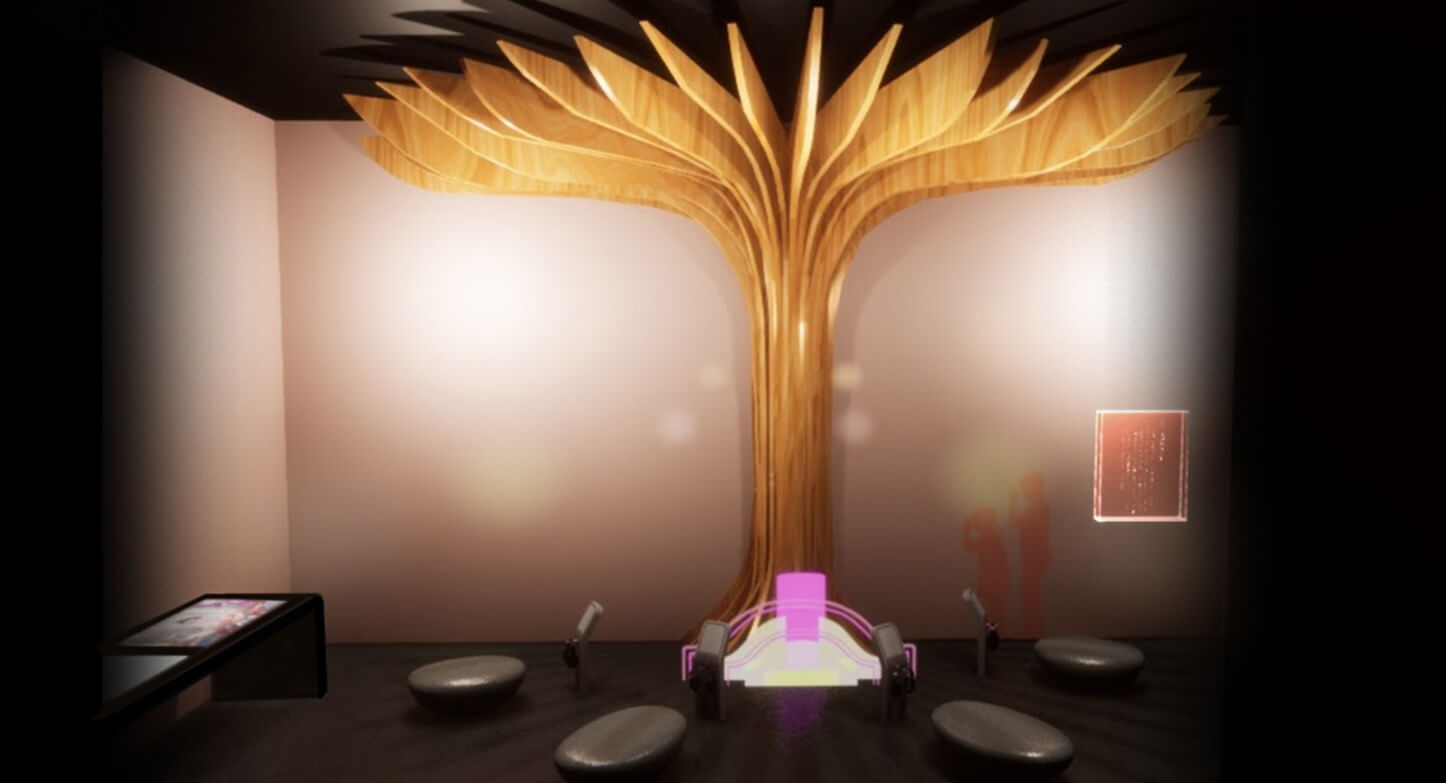
In the early days, Bo Gong was represented by a single rock, a small stele or a tombstone. Over time, it has been replaced by a deity statue. In the past, Liudui people almost always worshipped Bo Gong in the open air, without building a special temple. Tomb-style Bo Gong shrines are unique to Hakka townships in the south.

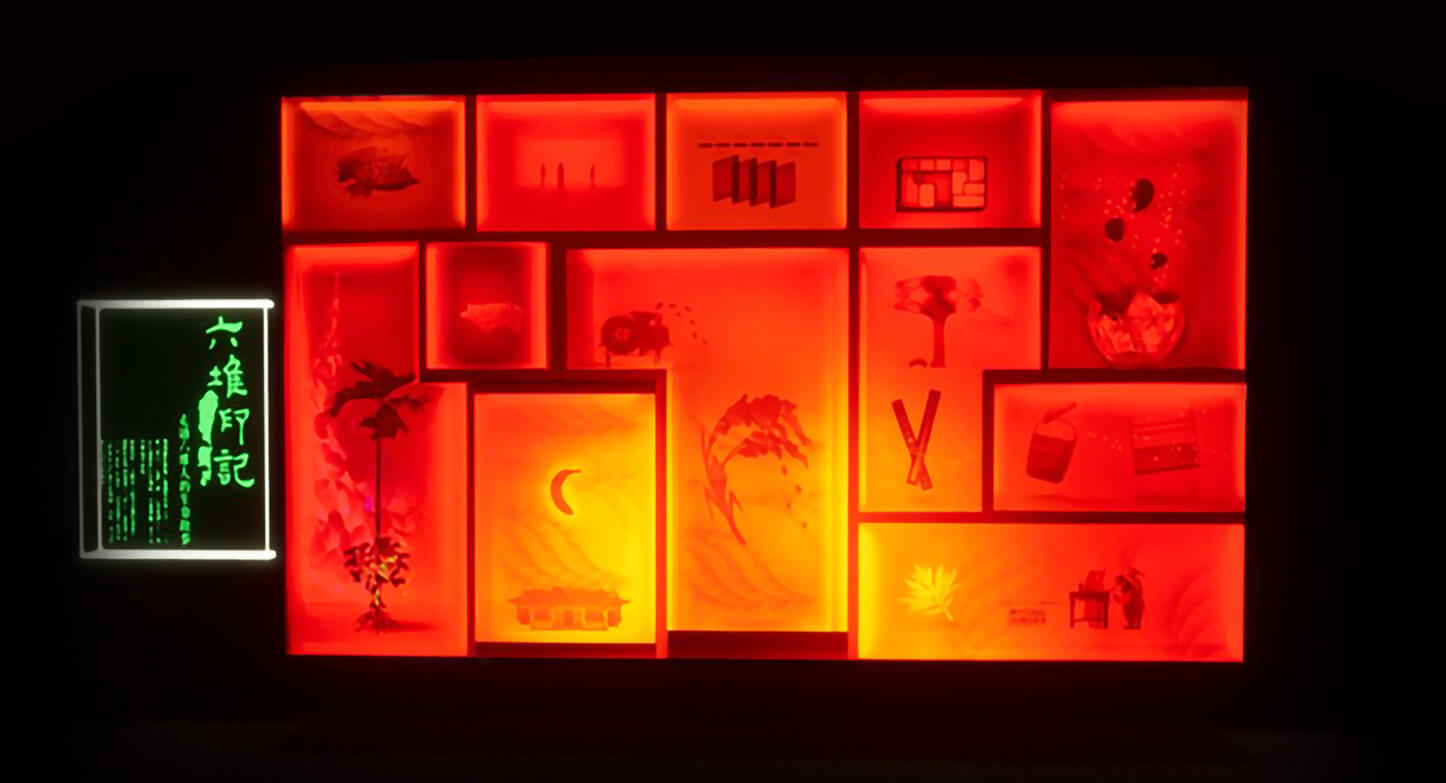
‘Be a first-rate man who is loyal and filial; studying and farming are both essential work.’ That is the doctrine the forefathers of Liudui passed down to their descendants. It means the ancestors expect the future generations to work the land on sunny days, hit the books on rainy days, and aspire to be first-rate individuals. The Hakka people of Liudui did not simply encourage the youth to study diligently and strive for higher heights. They also pooled together funds to buy land, and they used the income to hire instructors to give lessons, or finance students travelling to China for the imperial exam.客家03_EN
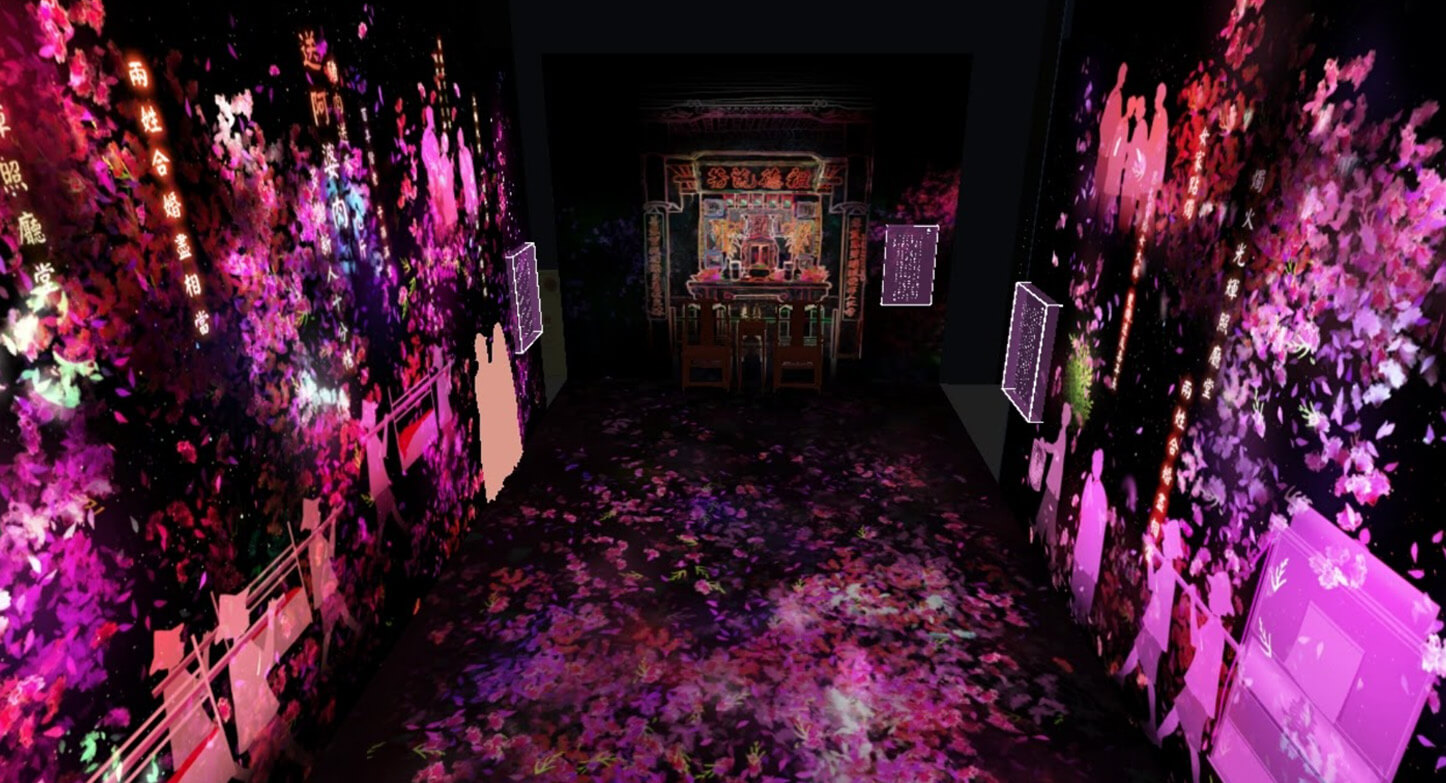
In the early days, Hakka women learn handiwork, farming, housekeeping and cooking from their mothers and relatives, prior to marriage. They must master the four fields of work collectively called ‘Four Heads, Four Tails,’ namely kitchen work, needlework, farm work and serving their parents while raising children. Once married, the daughter-in-law would then learn from her Ga Ngiong (mother-in-law). ‘Se Lai Er Go Hog Tong, Se Moi Er Go Ga Ngiong’ is a Hakka proverb. It means, in the early days, a man should attend school, be educated, sit for exams and obtain scholarly honours. Meanwhile, a woman should learn everything about maintaining the household from her Ga Ngiong. Most Hakka settlers in the Liudui region emigrated from Jiayingzhou, in China’s Guangdong Province. Thus Hakka wedding customs in Liudui largely follow the traditions practised in Jiayingzhou. With the changing of the times, these customs have been simplified into the following: Gong Fun (matchmaking), Go Tin (engagement ceremony), Sung Ngid E (schedule wedding date), Ngiang Qi (escort the bride to the groom’s house), and Zon Mun (first post-wedding visit to the bride’s maiden home). Among the series of wedding customs, there are some unique to Liudui, such as Gin Ngo Zu (honour the bride’s ancestors) and Sung A Po Ngiug (gift pork to the bride’s grandmother).
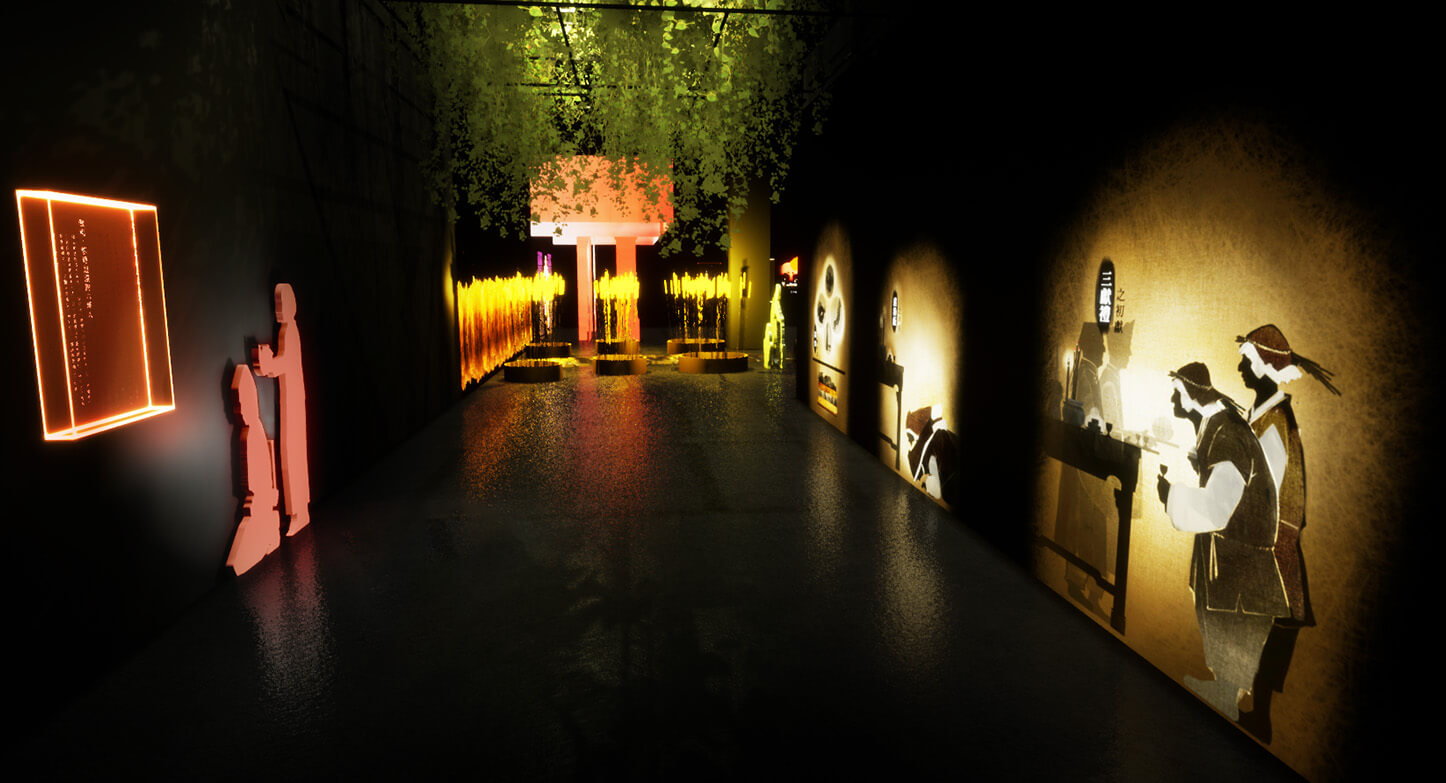
Ancient rites are fully preserved in Liudui’s traditional Hakka funeral customs. While it is evident that the son is central to the funeral rituals, the daughter-inlaw also plays a role. For instance, the daughter-in-law conducts the rituals called Da Fo Bad (break the brazier) and Jin Tong Fan (serve soupy rice). Da Fo Bad involves smashing a medicine decocting pot in the doorway, to signify the deceased will no longer suffer any pain or illness. Jin Tong Fan is a way for the daughter-in-law to perform filial duty to the deceased one last time. Occasionally, married daughters of the deceased also participate in these rituals. The fact that Lu Ji (funeral procession) is headed by the son-in-law points to the uniqueness of Liudui’s Hakka funeral customs, as well as the profound cultural significance therewithin. In the past, Hakka funerals were mostly held in the Vo Tang (grain-drying yard) outside the ancestral hall. Family members living in the same Huofang (residential compound) or nearby, as well as clanspeople, would help the family hold the funeral. Nowadays, funerals are mostly arranged by funeral directors, and the mourning hall is often set up at the funeral parlour or columbarium pagoda. Funeral customs are increasingly simplified while maintaining the solemnity.
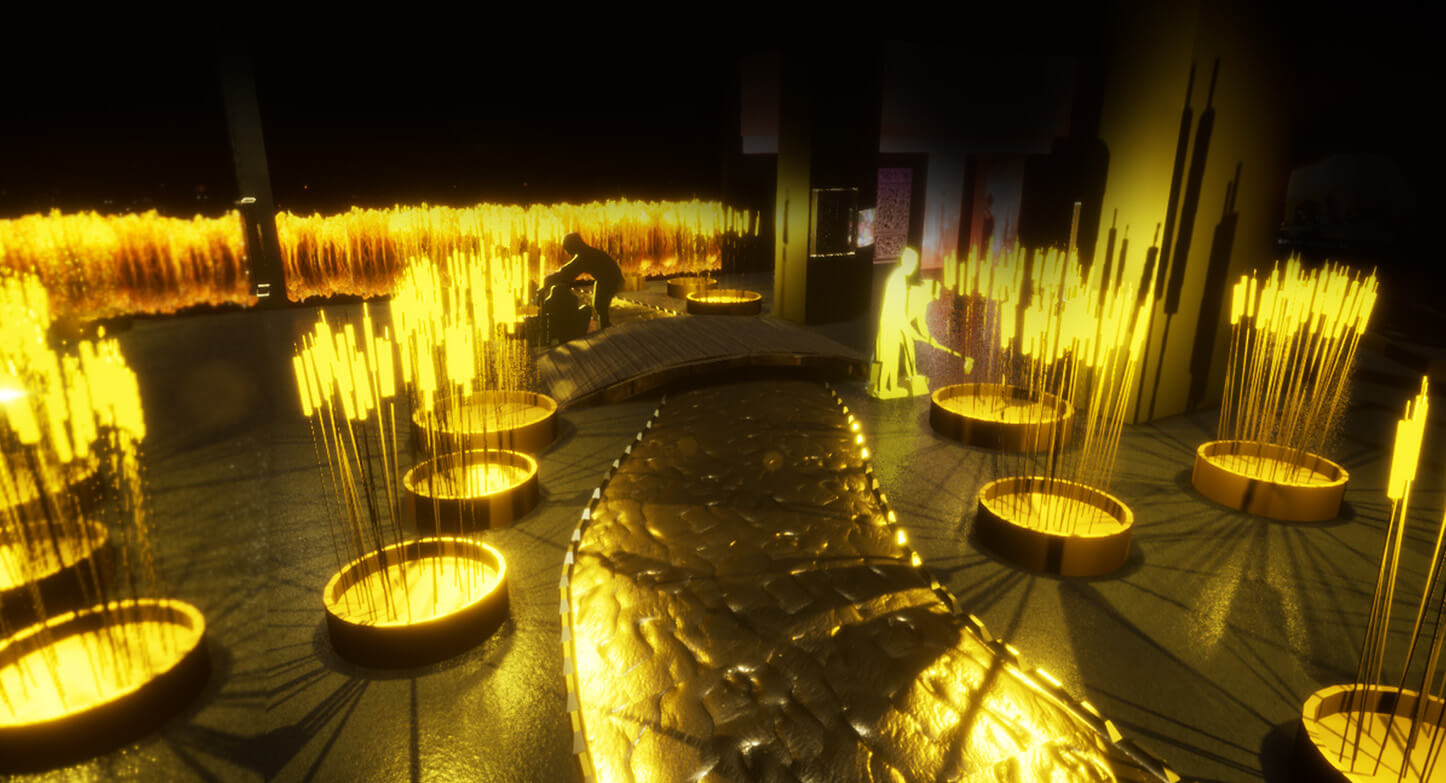
Huang Shujing, Imperial Inspector to Taiwan during the Qing Dynasty, wrote in Record of A Tour of Duty in the Taiwan Strait, ‘Paddy fields of Feng-Shan eight tribes harvest Shuang Dong Zao Dao.’ Shuang Dong Zao Dao refers the practice of planting rice in the twelfth month of the lunar calendar, prior to Lunar New Year, and it is harvested in the fourth month in the following year. Some scholars speculate that Shuang Dong Zao Dao could be a new breed of rice introduced to Taiwan during the Ming-Zheng Period. The Ming-Zheng regime levied taxes on the Feng-Shan eight tribes mainly to control early season rice, in order to maintain a steady supply of food provisions for the officers and soldiers. The early Hakka settlers mostly reclaimed land along the spring belt on the edge of the alluvial fan, building irrigation ponds and ditches. Therefore farmers on the Pingtung Plain had developed mature paddy rice cultivation techniques by the Qing Dynasty. A Japanese colonial era document recorded, ‘Taiwanese farmers produce double cropping at best, while Kheh farmers enjoy triple cropping per year.’ That shows early Hakka settlers were so industrious, they were able to produce three harvests in a year, which consisted of two harvests of paddy rice, as well as a harvest of vegetables, beans or radish during the winter.
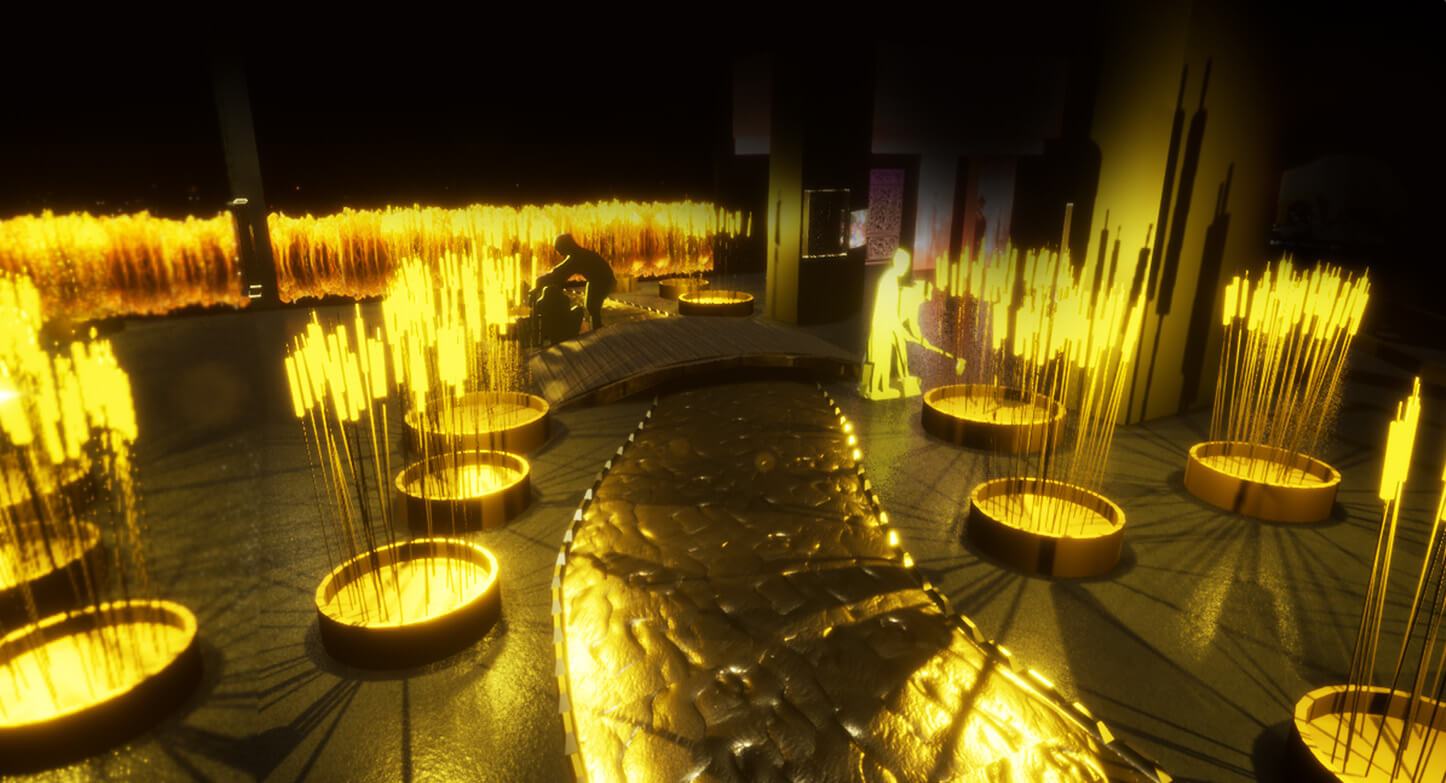
Hakka women are the pillars of the family. In the past, women would do the laundry in the river. The laundry field was a place for washing clothes, while doubling as a space for exchanging information and cultivating emotional bond between neighbours. Many joyful and sorrowful incidents in life, as well as events happening in the village, were shared and traded. It is worth noting that most Hakka laundry fields faced the open river. The reason being that in areas near the mountains, conflicts between Taiwanese indigenous people and Han Chinese were still frequent during the Japanese colonial era. Therefore facing the open river was a way to keep an eye on one’s surroundings while doing laundry. Although life became increasingly peaceful, the practice of doing laundry while facing the open river was passed down. Nowadays, it is done so they can keep an eye on the children playing nearby, as they do the laundry.